Rotation hit the Pokemon TCG Standard format like a wrecking ball. The G regulation mark exit took Iono, Professor's Research, and Gardevoir ex off the table simultaneously — stripping away the consistency backbone that defined competitive play for the better part of two years. What's left is a format increasingly shaped by raw power: 340-HP Mega Evolution Pokémon ex that can absorb punishment while threatening one-hit knockouts. In that environment, draw consistency isn't a luxury. It's the whole game.
The good news for budget-conscious players and investors alike is that the rarity restructuring introduced in recent sets — most notably Ascended Heroes — has quietly created one of the most accessible competitive card markets in years. The Double Rare (RR) tier, once a middle-child rarity that collectors overlooked in favor of gold-etched Special Illustration Rares, is now doing serious heavy lifting. Functionally identical to their premium counterparts, RR versions of meta-defining draw engines are routinely available for under $10 raw, sometimes well under.
What Rotation Actually Broke — and What It Didn't
The loss of Professor's Research is the headline, but the deeper problem is systemic. Iono served dual purpose: hand refresh for the user and disruption for the opponent. Losing both in the same rotation cycle means the format has shed its two most reliable draw reset options at once. Decks that previously ran a Professor's Research and Iono split for hand management now have to rebuild that architecture from scratch.
That's where the sub-$10 draw engine conversation becomes genuinely strategic, not just budget-friendly. The replacement options aren't inferior — they're different, and in some cases better suited to the current high-HP meta. Bulky Pokémon ex take multiple turns to knock out, which means games go longer. Longer games reward consistent draw over burst-cycle disruption. The rotation may have removed familiar tools, but it arguably opened the door for draw engines with sustained throughput rather than one-shot hand resets.
The competitive metagame is still settling, which is exactly when card prices are most volatile — and most exploitable for collectors who move early.
The RR Rarity Tier Is Doing the Work
Ascended Heroes' rarity restructuring deserves more credit than it's getting. By expanding the Double Rare tier and pushing premium aesthetics into SIR and gold treatments, the set effectively democratized functional competitive cards. A card that might carry a $40–$80 price tag in its Special Illustration Rare version often has an RR counterpart sitting at $3–$8 — same text, same effect, same tournament legality.
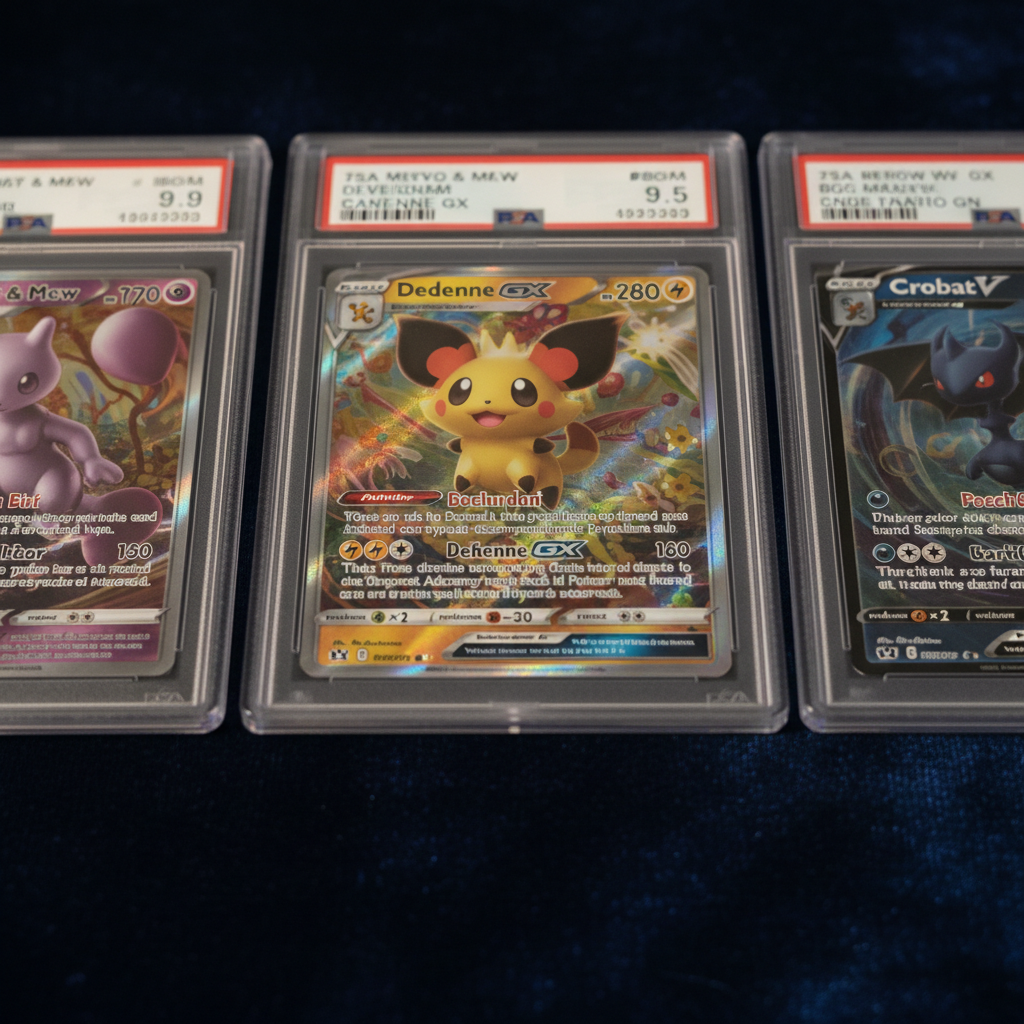
For graders and investors, the RR tier also presents an interesting population play. These cards are being cracked for bulk and traded at face value by players who don't collect. PSA and BGS submission volumes on RR-tier Pokemon cards remain a fraction of what SIR versions attract, which means low pop counts on high-grade copies — a dynamic that has historically preceded price appreciation once a card's competitive relevance becomes undeniable.
The calculus is straightforward: if a draw engine becomes a four-of staple in the top three decks in format, demand for every version of that card increases. The SIR spikes first and hardest. The RR follows, usually with a lag of four to eight weeks after a major tournament result. Collectors who build positions in playable RR draw engines now — at sub-$10 entry — are essentially buying options on format adoption.
Building the Engine Without Breaking the Budget
The current draw engine landscape rewards diversification over reliance on any single card. With no Professor's Research to anchor the engine, competitive decks are running broader suites — two or three different draw Supporters rather than a playset of one dominant option. That structural shift means more cards matter, and more cards are worth tracking.
Budget builders should prioritize draw Supporters with floor effects: cards that guarantee a minimum hand size regardless of board state. In a format where 340-HP threats demand extended exchanges, running out of resources mid-game is a faster path to a loss than taking a knockout. Consistency over ceiling is the correct framework for this meta.
The sub-$10 draw engine pool is larger and more competitive than it's been since the Sun and Moon era, when rotation similarly cleared the field and forced a rebuild. That cycle produced several cards — Cynthia chief among them — that went from bulk rare to $15–$25 within a single season once their format dominance became clear. The pattern is familiar. The only question is which cards in today's pool follow the same trajectory.
At current prices, the cost of being wrong is minimal. The cost of being right early is not.