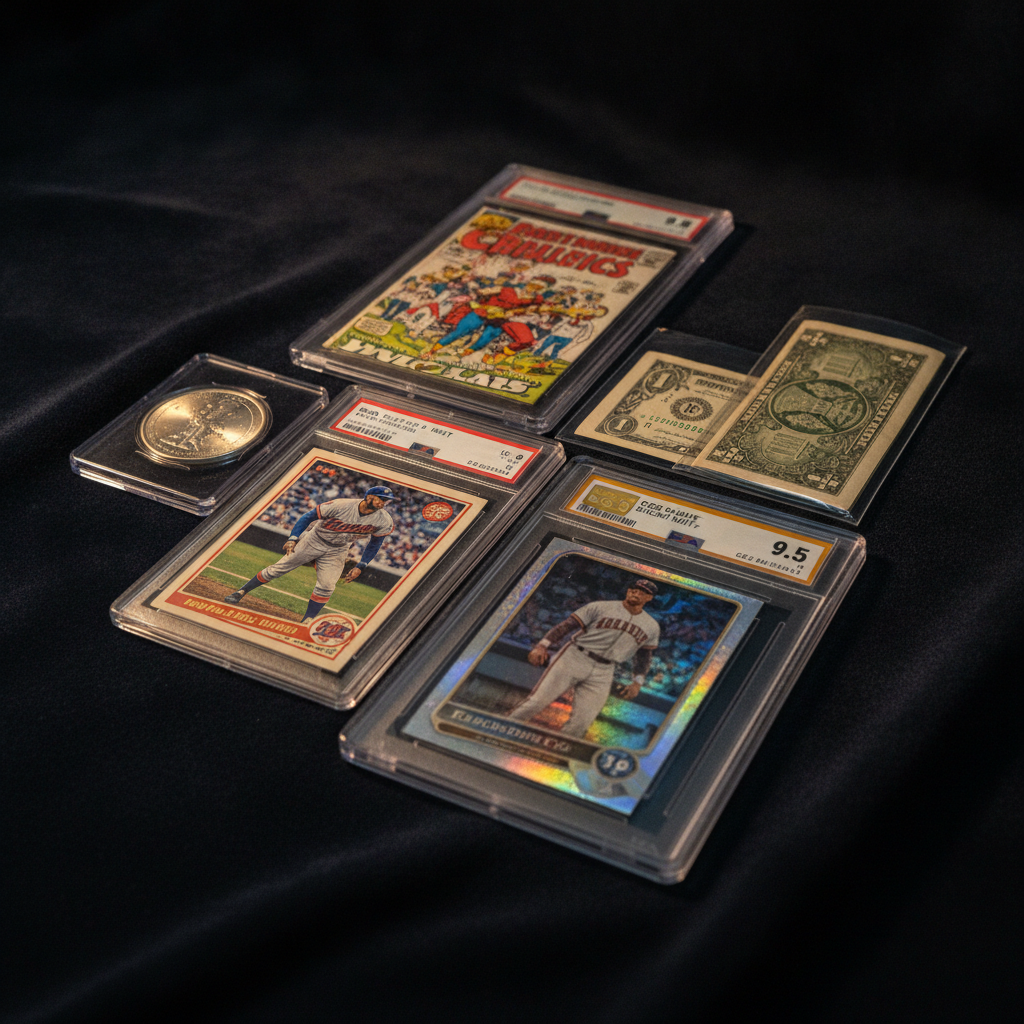
Americana collecting has always had a seasonal rhythm, and summer is when it peaks. Kovels Antique Trader's July issue leans into that timing hard, delivering a deep dive into Old Glory iconography, patriotic ephemera, and the broader category of Americana that continues to outperform expectations at regional auction houses across the country.
For collectors who track this space, the timing matters. July is historically the strongest month for Americana at live auction — Heritage Auctions has logged consistent year-over-year increases in its summer Americana sessions, with top-tier folk art and patriotic textiles regularly clearing five figures. A hand-stitched 19th-century parade flag in documented condition can fetch $8,000–$25,000 depending on provenance and the number of stars, which serves as a direct dating mechanism. The market knows this. Dealers know this. The July issue of Kovels arrives exactly when collectors are primed to spend.
What Americana Collecting Actually Looks Like Right Now
The category is broader than most outsiders assume. Americana isn't just flags and folk art — it encompasses political campaign memorabilia, early advertising tins, carved wooden eagles, cast-iron mechanical banks, quilts, stoneware, and painted furniture. Each of those sub-categories has its own grading conventions, its own blue-chip names, and its own price floor.
Mechanical banks are a useful barometer. The Shepard Hardware Tammany Bank, one of the most recognized pieces in American cast-iron collecting, has traded anywhere from $1,200 to over $20,000 depending on paint originality and mechanism function — two variables that function much like grade and centering do in the card market. Reproductions are rampant, which is exactly why publications like Kovels remain essential reference tools rather than casual reading.
Political buttons are another corner of the market that's been quietly appreciating. Pre-1920 celluloid buttons for third-party candidates — particularly from the Bull Moose and Prohibition eras — have seen renewed interest from younger collectors who came up in the sports card and trading card world and are now diversifying. A pristine 1912 Theodore Roosevelt jugate button in high-grade condition can clear $500–$2,000 at specialist auction, with the rarest examples pushing well beyond that.
Why Kovels Still Carries Weight in a Digital Market
In an era when price guides have largely migrated online and auction results are searchable within hours of a sale closing, a print publication surviving — and apparently thriving — in this space is worth examining. Kovels Antique Trader has been a fixture in the antiques world for decades, and its longevity isn't accidental. The publication occupies a specific editorial lane: accessible enough for weekend pickers, authoritative enough for serious dealers.
The July issue's framing around full-throttle collecting is smart positioning. It acknowledges that the collector base for Americana skews passionate — these aren't passive investors parking capital in slabbed grails. They're people who go to estate sales at 6 a.m., who know the difference between a first-period piece and a later reproduction by the weight of the casting. That's a reader worth writing for.
There's also a generational handoff happening in real time. The core Americana collector demographic — Baby Boomers who built serious collections over 30 to 40 years — is beginning to deaccession. That inventory is hitting the market through estate auctions, dealer sales, and increasingly, online platforms like LiveAuctioneers and Invaluable. The pieces are out there. What new collectors need is exactly what a publication like Kovels provides: context for what they're looking at, historical grounding, and a framework for evaluating condition and authenticity.
The Bigger Picture for Americana in 2025
Americana has been one of the more resilient corners of the broader antiques market during a period when mid-tier decorative antiques have softened considerably. Brown furniture — the Victorian and Edwardian case pieces that dominated antique shops for generations — has collapsed in value. Victorian silver has struggled. But objects with strong American identity and documented folk provenance have held their ground, driven partly by institutional collecting and partly by a cultural moment that has renewed interest in material history.
Museums are acquiring selectively but meaningfully. The American Folk Art Museum in New York, Winterthur in Delaware, and regional institutions have all made notable acquisitions in recent years that signal sustained institutional appetite for top-tier pieces. When museums are buying, it puts a floor under the best material and validates the category for private collectors.
The July issue of Kovels Antique Trader drops into that context like a well-timed bid. For anyone who collects in this space — or is considering it — this is the issue to read before the summer auction season closes out.